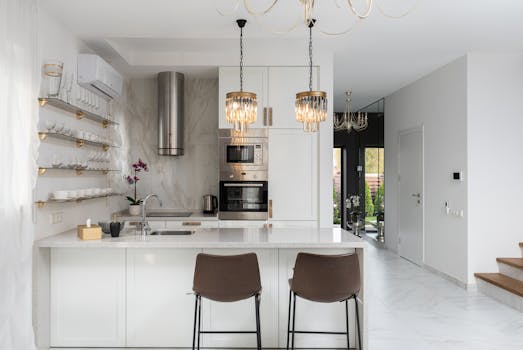

Imagine walking into your home after a long day, and with a single voice command, the lights dim to a cozy setting, your favorite playlist begins to softly play, and the thermostat adjusts to your perfect comfort level. This isn’t science fiction anymore; it’s the reality that thoughtful home automation design and installation can bring. But diving into the world of smart homes can feel overwhelming. Where do you even begin? What are the pitfalls to avoid?
As someone who’s seen countless smart homes come to life – and some that fell flat – I can tell you that success hinges on meticulous planning and a clear understanding of your needs. It’s not just about buying gadgets; it’s about creating an ecosystem that genuinely enhances your life. Let’s break down how to approach home automation design and installation with confidence.
Step One: Define Your Smart Home Vision (Beyond the Gimmicks)
Before you even think about smart bulbs or voice assistants, pause and consider why you want home automation. Is it for enhanced security, energy efficiency, convenience, entertainment, or accessibility? Often, it’s a blend of these.
Think about your daily routines. Where do you waste time? What tasks do you wish were simpler? For instance, if you often forget to turn off lights, an automated lighting system is a clear win. If you worry about package theft, smart doorbells and cameras become a priority. This initial home automation design phase is crucial because it dictates the technology you’ll need and prevents you from buying features you’ll never use.
I’ve seen clients invest heavily in complex systems only to realize they’d be happier with a simpler setup focused on core needs. Your vision should be practical and user-centric.
Step Two: Choosing the Right Foundation: Wired vs. Wireless
The backbone of your smart home relies on connectivity. You have two primary paths: wired and wireless, each with its pros and cons for home automation design and installation.
Wireless (Wi-Fi, Zigbee, Z-Wave): This is the most popular route for its ease of installation and flexibility. Devices communicate wirelessly, making them ideal for retrofitting existing homes. However, you can encounter interference, dead zones, and reliance on a robust Wi-Fi network. Protocols like Zigbee and Z-Wave often use a hub to manage devices, which can improve reliability and reduce Wi-Fi congestion.
Wired (Ethernet, dedicated control wires): While more involved and typically integrated during new construction or major renovations, wired systems offer unparalleled reliability and speed. They are less susceptible to interference and don’t rely on Wi-Fi bandwidth. For mission-critical systems like security or whole-home audio, wired can be superior.
The decision often depends on your home’s structure, your budget, and your tolerance for potential connectivity hiccups. For many, a hybrid approach works best, leveraging wireless for convenience and wired for essential services.
Step Three: Selecting Your Smart Home Ecosystem & Devices
Once you have a clearer picture of your goals and connectivity strategy, it’s time to pick your smart devices. This is where the “ecosystem” comes into play. Major players like Apple HomeKit, Google Home, and Amazon Alexa offer broad compatibility and user-friendly interfaces. However, don’t feel limited to one. Many devices work with multiple platforms.
When selecting devices for home automation design and installation, consider:
Compatibility: Ensure new devices will work with your existing hub or chosen ecosystem.
Reliability: Read reviews and research brands known for stable performance.
Scalability: Can you easily add more devices later as your needs evolve?
Privacy and Security: Understand how your data is handled by manufacturers.
Think about the core components: lighting (bulbs, switches), climate control (thermostats), security (locks, cameras, sensors), entertainment (speakers, smart TVs), and convenience (smart plugs, blinds).
Step Four: The Installation Process: DIY vs. Professional
This is where the “installation” part of home automation design and installation truly kicks in.
DIY Installation: For simpler setups – like smart bulbs, plugs, or even a few smart speakers – you can often manage the installation yourself. Most modern smart devices come with intuitive mobile apps that guide you through the setup process. This can save significant costs and offers a great learning experience.
Professional Installation: For more complex systems involving integrated wiring, multi-room audio, advanced security, or when you want a seamless, polished finish without the hassle, hiring a professional installer is highly recommended. They have the expertise to troubleshoot network issues, ensure proper wiring, and configure complex routines. They can also offer insights into system design that you might miss.
A crucial point I often stress is that even for DIY installations, proper network setup is paramount. A weak Wi-Fi signal will cripple even the most advanced smart home. Investing in a good router or mesh Wi-Fi system is often the first, most important step.
Step Five: Programming and Fine-Tuning for Seamless Operation
The real magic of home automation design and installation happens when devices work together harmoniously. This involves programming “scenes” and “automations” or “routines.”
Scenes: These are pre-set configurations for specific activities. For example, a “Movie Night” scene might dim the lights, close the blinds, and turn on your entertainment system.
Automations/Routines: These are triggered by specific events, like time of day, a sensor detecting motion, or you arriving home (geofencing). An example would be a routine that turns on porch lights and unlocks the front door when your phone detects you’re within a mile of home.
This programming phase is where you truly personalize your smart home. Don’t be afraid to experiment and refine. I’ve found that subtle tweaks to automation triggers or scene settings can dramatically improve daily usability. It’s an iterative process that evolves as you live with your system.
Wrapping Up: Your Smart Home Journey Starts with a Plan
The world of home automation design and installation offers incredible potential to simplify, secure, and enhance your daily life. Don’t be intimidated by the technology. Start with a clear vision of what you want to achieve, choose a reliable foundation, select compatible devices, and decide whether a DIY approach or professional help is best for your installation. Remember, a smart home isn’t just about connected devices; it’s about creating an intelligent living space tailored precisely to your needs and lifestyle. The most rewarding smart homes are built on a solid plan and a clear understanding of purpose.
